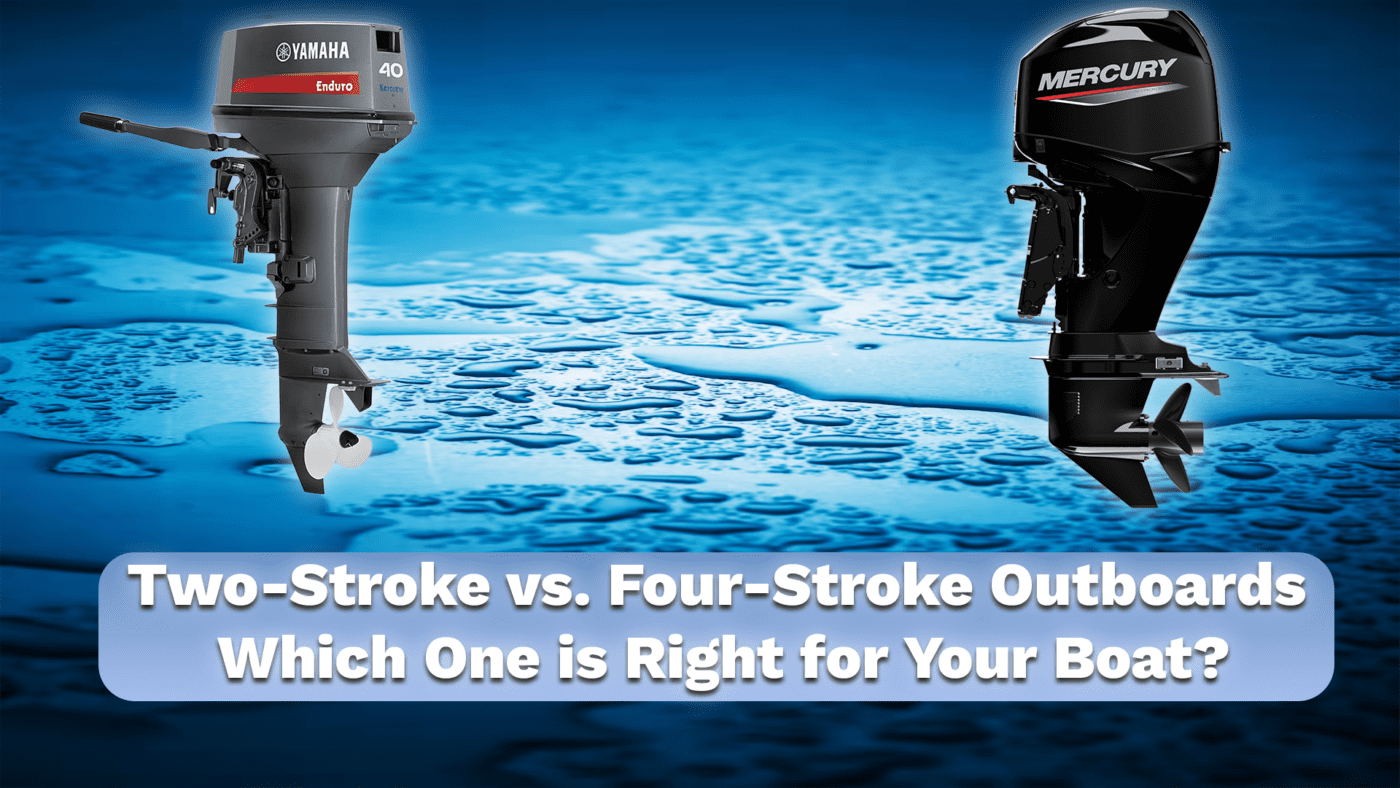
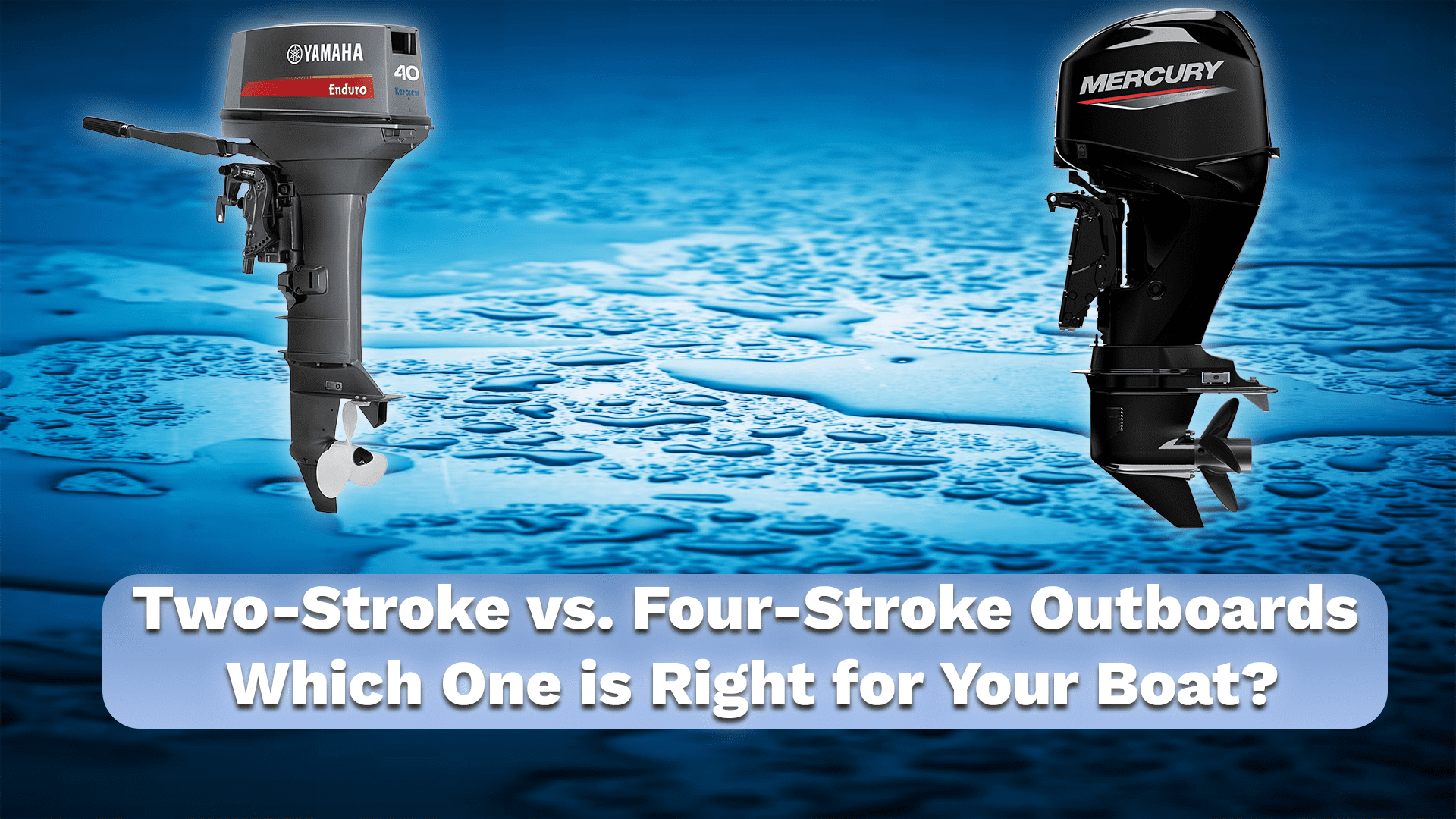
Two-Stroke vs. Four-Stroke Outboards: Which One is Right for Your Boat?
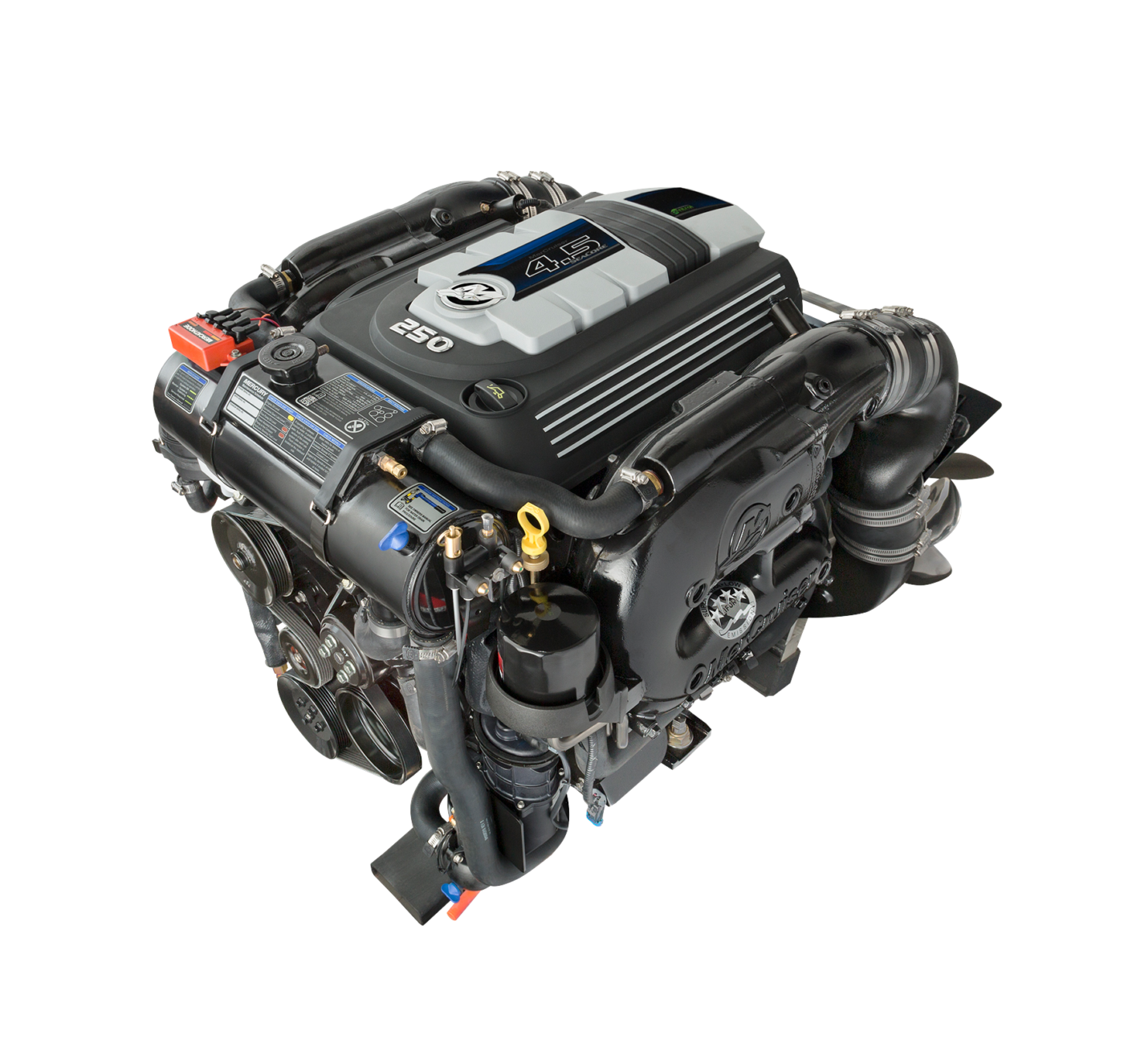
Choosing the right outboard engine is one of the most important decisions you’ll make for your boat. One of the biggest questions is whether to go with a two-stroke or a four-stroke engine. Both have their strengths and ideal applications, so understanding the differences will help you pick the best option for your boating style, whether it’s high-speed fun or long, relaxing days on the water.
Understanding the Basics
Two-Stroke Engines
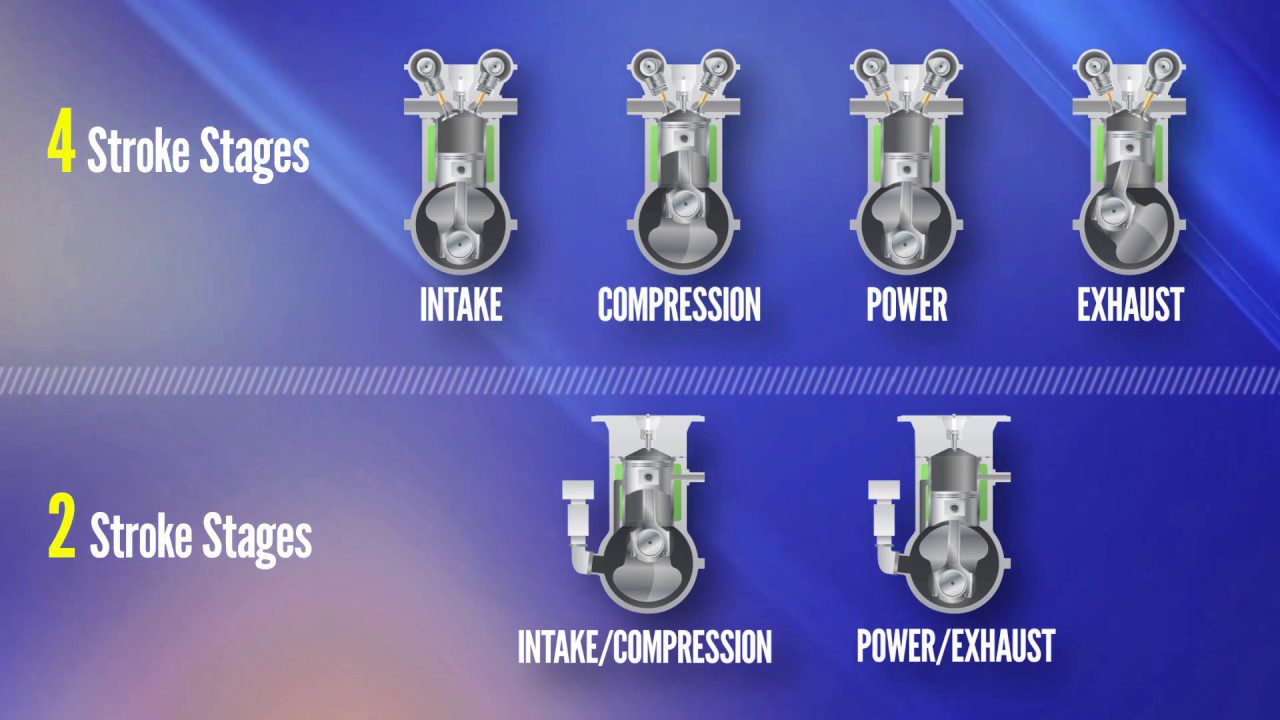
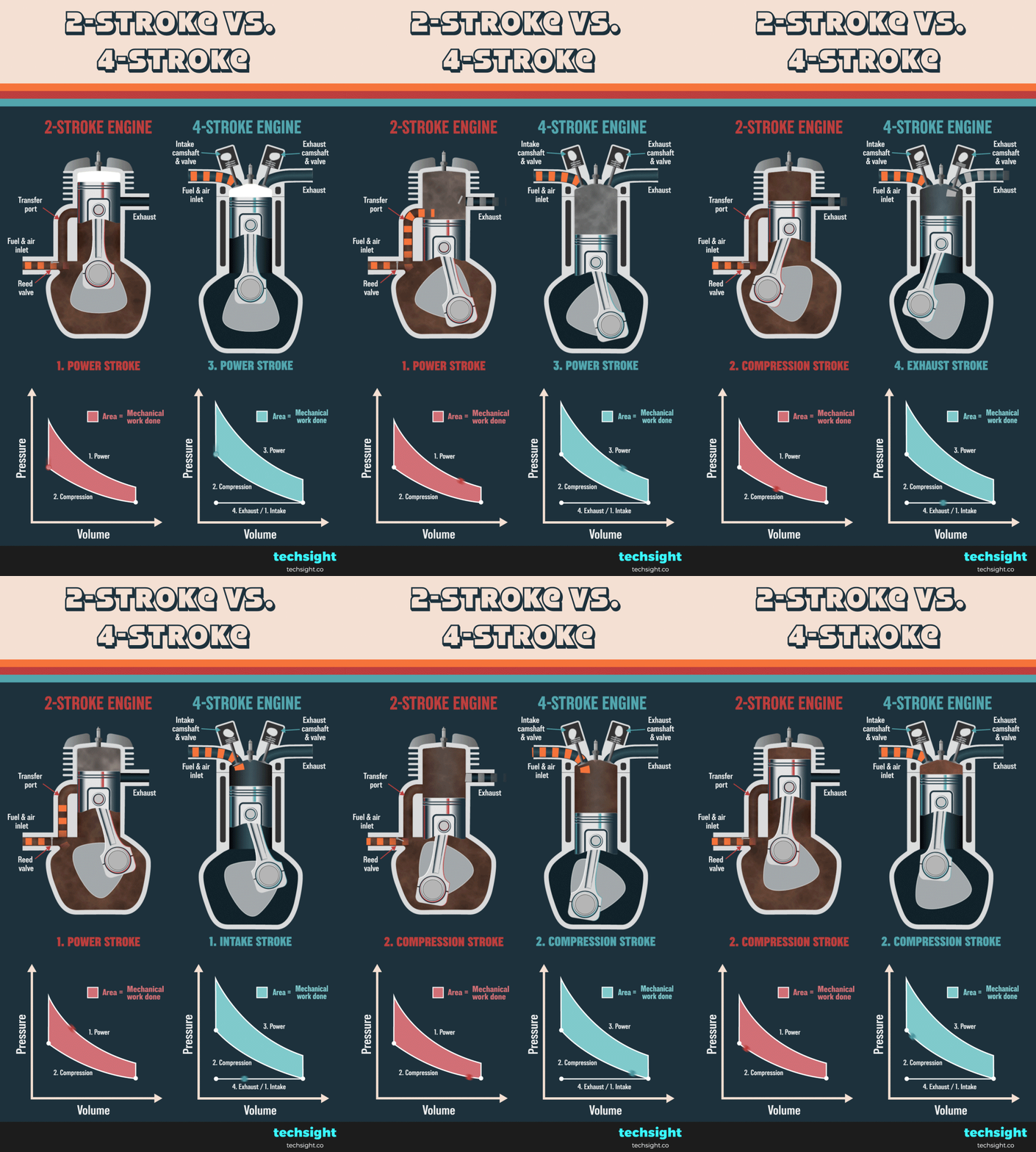
Two-stroke engines complete a power cycle in just two strokes of the piston—one upward and one downward movement. This allows them to generate more power relative to their size, making them lightweight yet surprisingly strong.
Key Points:
- Complete a full power cycle in two piston strokes.
- Produce more power per pound compared to four-strokes.
- High RPM capabilities, delivering rapid acceleration.
- Require fuel to be mixed with oil for lubrication.
- Lighter, smaller, and often simpler in design.
Why It Matters:
Two-strokes are excellent for smaller boats, bass boats, and performance-oriented craft where speed and maneuverability are a priority. Their compact size allows them to fit in tight engine bays, and their responsiveness makes them fun for thrill-seekers.
Four-Stroke Engines
Four-strokes complete a power cycle in four piston strokes: intake, compression, power, and exhaust. While they are heavier and slightly more complex, they offer smoother operation and better fuel efficiency.
Key Points:
- Complete a full power cycle in four strokes.
- Use standard gasoline—no pre-mixing required.
- Quieter and smoother operation than two-strokes.
- Typically heavier, which can add stability to your boat.
- Longer engine life when properly maintained.
Why It Matters:
Four-strokes are perfect for anglers, cruisers, and larger boats where comfort, quiet operation, and fuel economy matter most. They provide reliable power over extended periods, making them ideal for long days on the water.
Performance & Speed
Two-Stroke Advantages:
Two-strokes deliver high power-to-weight ratios, which translates to faster acceleration and thrilling top speeds. Their rapid power delivery is ideal for boats that need to plane quickly, making them a favorite for sport boats and high-performance fishing boats.
Key Points:
- Rapid acceleration for getting on plane quickly.
- High top-end speed and sporty performance.
- Lightweight design benefits small boats.
- Easier to modify for increased power.
Four-Stroke Advantages:
Four-strokes provide steady, reliable performance across a broad range of speeds. Their torque is stronger at lower RPMs, which is especially useful for heavier boats, towing skiers, or pulling tubes and wakeboards.
Key Points:
- Smooth, consistent power delivery.
- Strong torque at low to mid RPMs.
- Excellent for heavier boats and longer cruises.
- Ideal for towing activities.
Why It Matters:
- Two-stroke: Great if speed, agility, and thrill matter most.
- Four-stroke: Better for comfort, reliability, and steady cruising.
Fuel Efficiency & Maintenance
Two-Stroke:
Two-strokes burn a fuel-and-oil mixture, so fuel consumption is typically higher. They also require more frequent maintenance, including spark plug checks and oil monitoring. However, with fewer moving parts, repairs can sometimes be simpler.
Key Points:
- Higher fuel consumption due to oil-mix operation.
- Requires regular oil and spark plug checks.
- Simple engine design with fewer components.
- More frequent servicing needed for peak performance.
Four-Stroke:
Four-strokes burn only gasoline, making them more fuel-efficient and environmentally friendly. Maintenance intervals are usually longer, although repairs can be more expensive due to the additional components like valves.
Key Points:
- Runs on standard gasoline.
- More fuel-efficient than two-strokes.
- Fewer emissions and cleaner operation.
- Longer maintenance intervals, but more complex repairs.
Why It Matters:
Fuel efficiency and maintenance requirements impact your overall ownership experience. Two-strokes can be fun and powerful but require more attention, whereas four-strokes save fuel and reduce day-to-day maintenance hassle.
Noise & Comfort
Noise and vibration can significantly impact your boating experience, especially on long trips or during fishing.
Two-Stroke:
- Louder operation with more vibration.
- Adds excitement for performance boating.
- May be tiring or disruptive on long outings.
Four-Stroke:
- Quiet, smooth, and comfortable operation.
- Ideal for fishing, cruising, and family outings.
- Less chance of disturbing wildlife or spooking fish.
Why It Matters:
If you spend long days on the water or want a peaceful environment for fishing, four-strokes excel. Two-strokes are better suited for adrenaline-filled rides where noise is part of the fun.
Choosing the right engine for you
Here’s a quick breakdown to help you decide:
Choose Two-Stroke If:
- You want lightweight, high-powered performance.
- You enjoy quick acceleration and sporty rides.
- Your boat is smaller or designed for thrill-oriented activities.
Choose Four-Stroke If:
- You want smooth, quiet, and fuel-efficient operation.
- You take longer trips or have a heavier boat.
- Comfort, reliability, and environmental considerations matter.
At Town and Country Marine, we carry a wide variety of both two-stroke and four-stroke outboards. Our experienced team can help you select the engine that matches your boat, your boating style, and your lifestyle on the water.
Final Thought:
Both engine types have their place, and the right choice depends on your priorities: speed and performance, or efficiency and comfort. Understanding the strengths of each ensures you enjoy a summer full of fun and safe boating experiences.