Which Drive Type is Right For You?

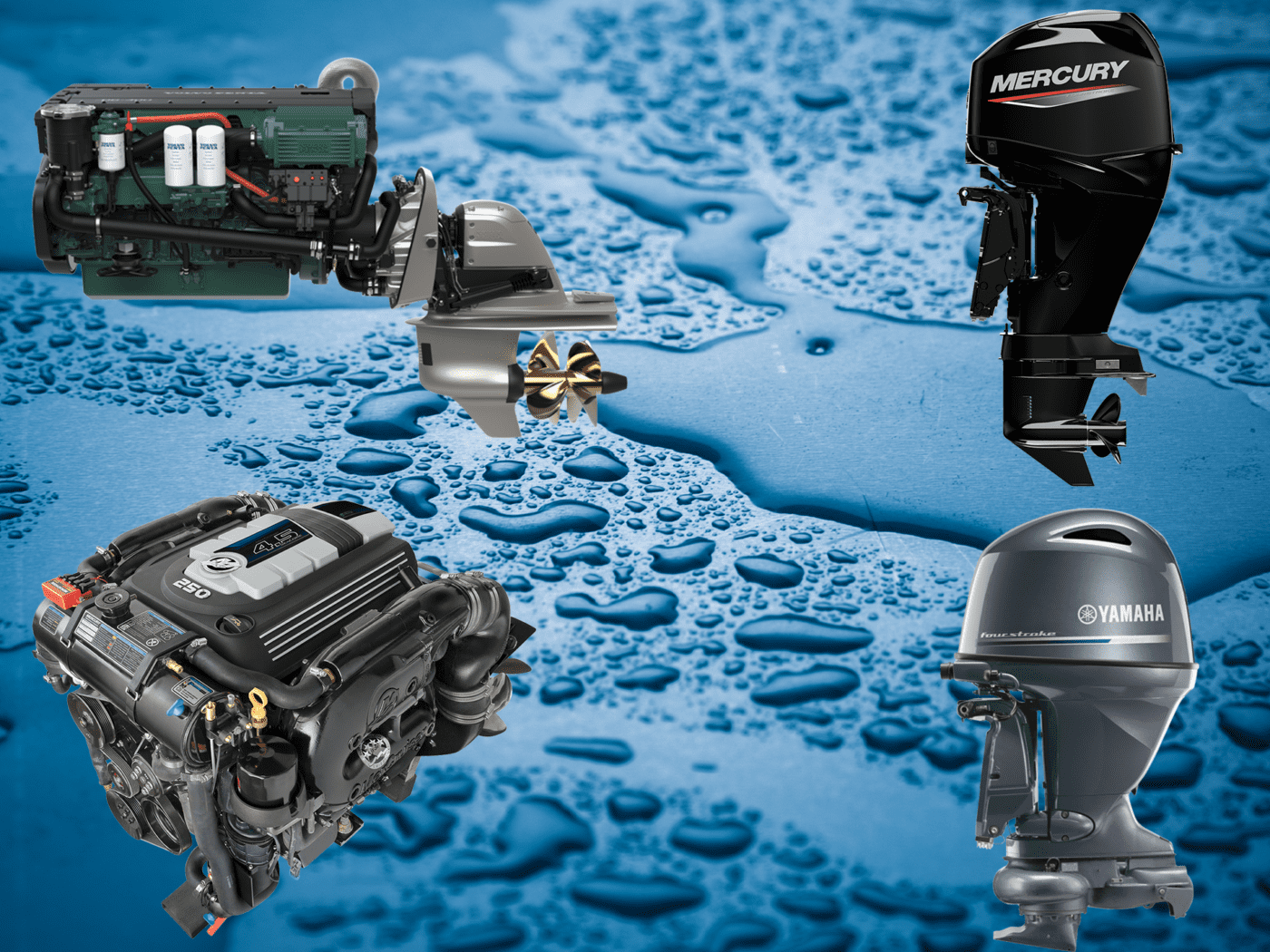
For freshwater boaters in Ontario, there are four main drive types that are commonly used depending on your needs and how you plan to use your boat:

  • Outboard

  • Sterndrive (Inboard/Outboard or I/O)

  • Inboard (Direct Drive or V-Drive)

  • Jet Drive

Each of these propulsion systems has its own advantages, disadvantages, and ideal use cases. Understanding how they work can help you decide which type of boat is best suited for your time on the water.

Fluid Drive Types

The first two drive types — outboards and sterndrives — can be considered “fluid” drive systems. This means the propeller can be raised and lowered in the water using trim controls, usually from a switch on the throttle.

This adjustability can improve performance, efficiency, and shallow-water capability.

Outboard

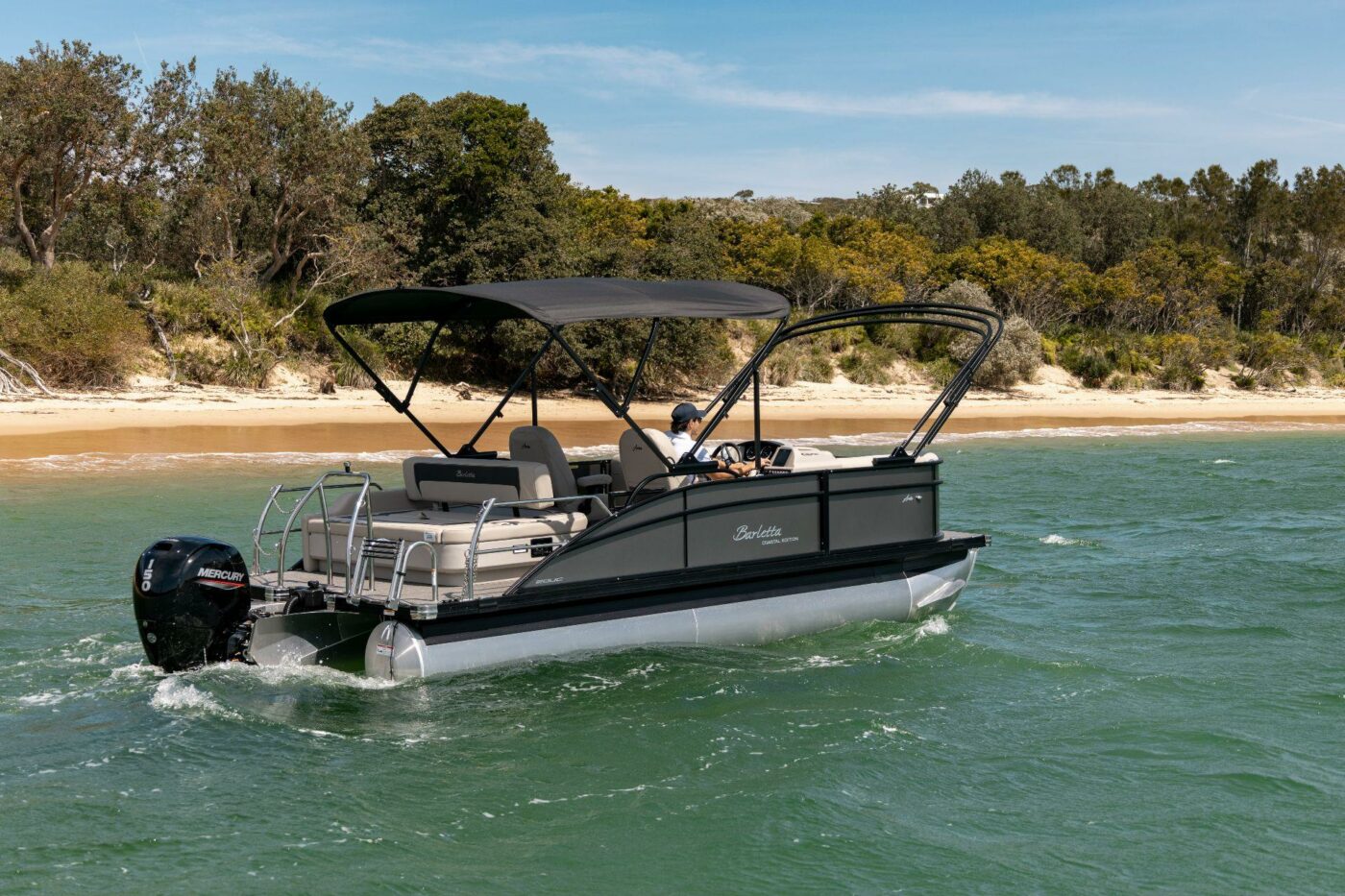
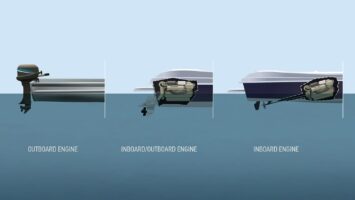
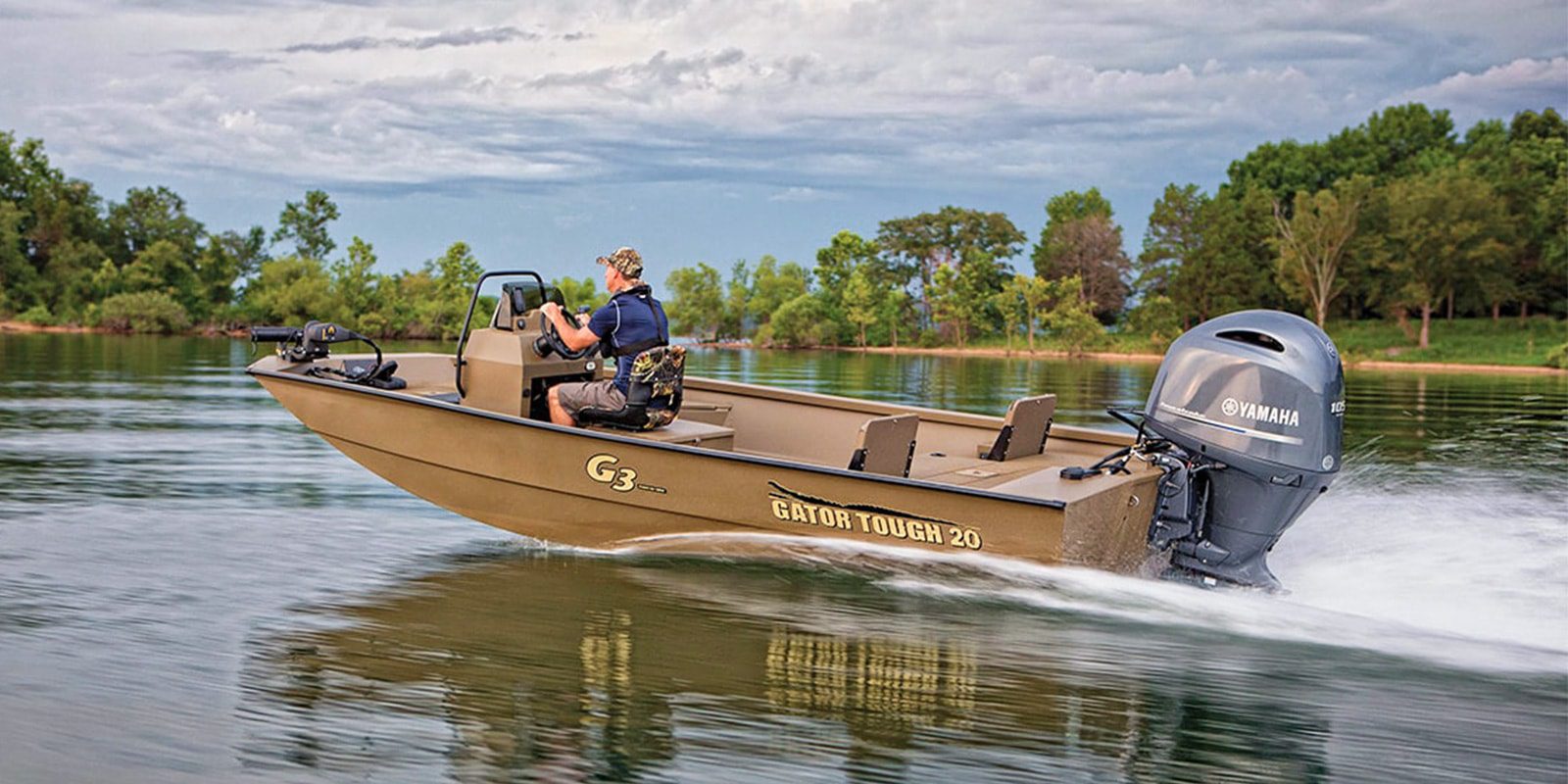
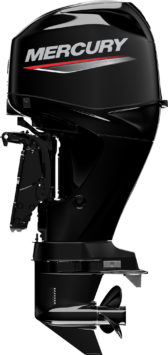
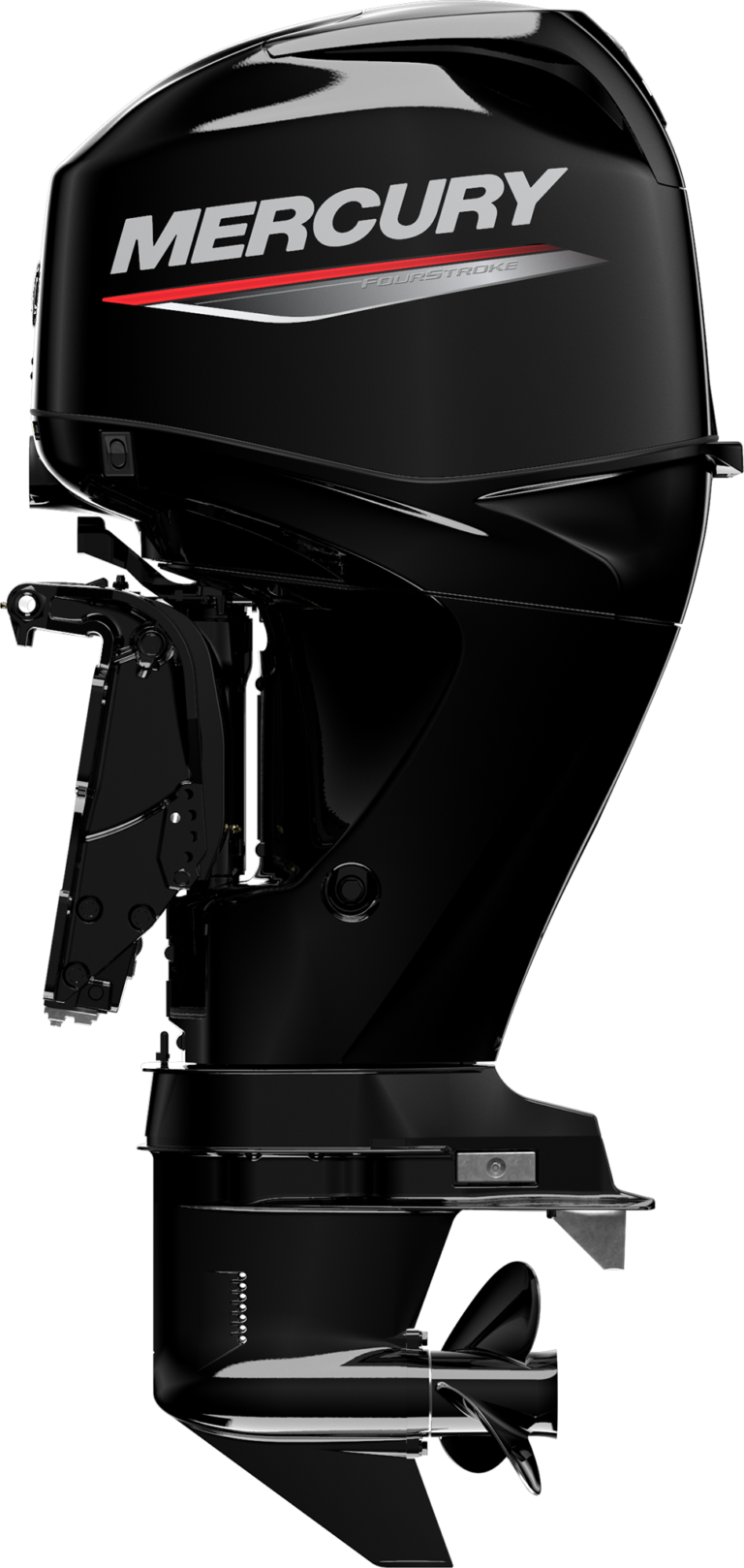
Outboards are the most common and recognizable boat engine type. They are mounted directly on the transom at the back of the boat, making them easy to identify.

Outboards range from as small as 6 horsepower to as large as 600 horsepower, meaning they can power almost any style of boat regardless of size.

What makes outboards unique is that the entire propulsion system is contained in one unit. The engine, propeller, steering, shifting, and trim systems are all built into the same housing.

Advantages of Outboards

Outboards are known for their:

  • Simplicity

  • Ease of use

  • Lower cost of ownership and maintenance

  • Easy repowering or engine replacement

Because the engine is mounted on the back of the boat rather than inside the hull, outboard boats usually have more usable space onboard for seating, storage, and deck space.

They are also the most interchangeable engine type, meaning upgrading or replacing the engine is relatively straightforward.

Common Boats With Outboards in Ontario

Outboards are commonly found on:

  • Fishing boats

  • Bass boats

  • Pontoon boats

  • Runabouts

  • Center consoles

  • Some bowriders

Disadvantages of Outboards

One drawback of outboards is the split transom design. Because the engine sits on the back of the boat, the swim platform is usually divided into two sections on either side of the motor.

Another consideration is that the propeller typically sits higher in the water compared to other drive types. During aggressive turns, this can sometimes cause the propeller to temporarily lose contact with the water, a phenomenon known as propeller cavitation.

Sterndrive

Sterndrives, often called I/O (inboard/outboard) systems, are another very popular propulsion option.

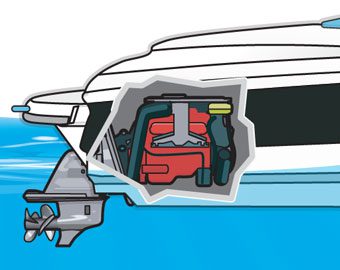
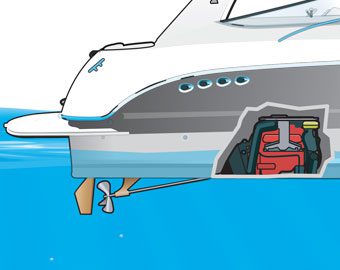
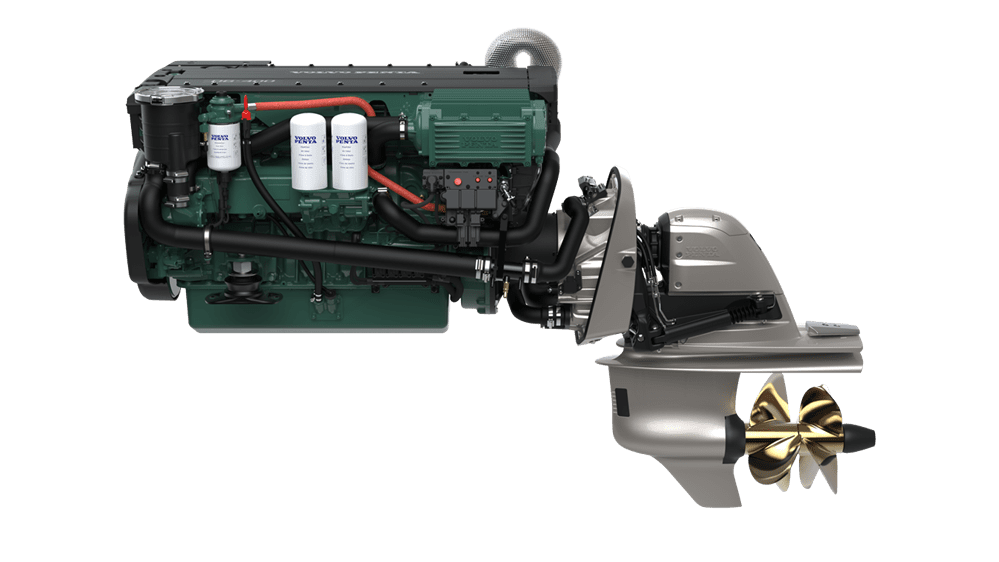
Unlike outboards, sterndrives split the propulsion system into two separate components:

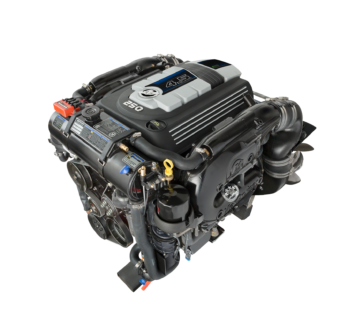
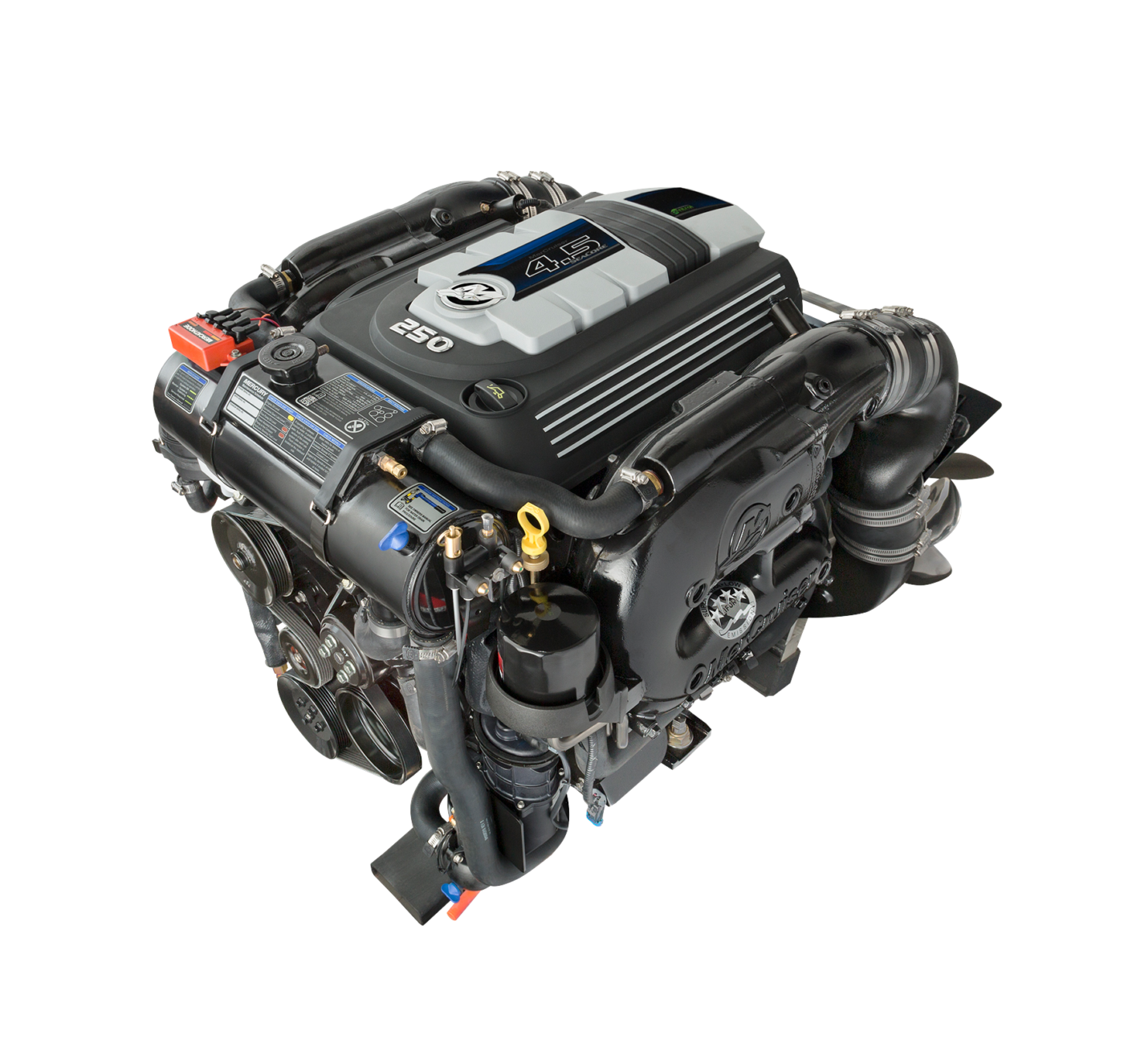
  1. An engine mounted inside the hull of the boat (typically a V6 or V8 car-based engine)

  2. An outdrive unit outside the transom, which houses the propeller, steering, and trim system

This is where the name inboard/outboard comes from — the engine is inside the boat while the drive unit is outside.

Sterndrives typically range from 200 to 450 horsepower, making them ideal for sport boats between 18 and 26 feet.

Advantages of Sterndrives

One of the biggest advantages of sterndrives is handling performance.

Because the outdrive sits deep in the water, the boat often has improved maneuverability compared to many outboard setups.

Sterndrives are also typically heavier than outboards, which causes the rear of the boat to sit slightly lower in the water. This further submerges the propeller and drive unit, improving grip and handling.

Another major benefit is the full-width swim platform. Since the engine sits inside the boat and the drive exits through the transom, manufacturers can build a clean, continuous deck space across the back of the boat. This area is perfect for lounging, swimming, or relaxing at anchor.

Disadvantages of Sterndrives

Sterndrives do have a few drawbacks.

Because they use an automotive-style engine mounted inside the hull, they generally have a lower power-to-weight ratio compared to an outboard of similar horsepower. This means sterndrives are typically heavier, which can impact fuel efficiency and towing weight.

Sterndrives also tend to have a higher cost of ownership, since there are more moving parts and additional components that require service.

Finally, because the engine sits inside the hull, it takes up space that could otherwise be used for seating or storage.


Fixed Drive Types

The next two drive types — inboards and jet drives — are considered “fixed” systems.

This means the propulsion system cannot be raised or lowered in the water. The drive components remain fixed in position underneath the boat.

Inboard

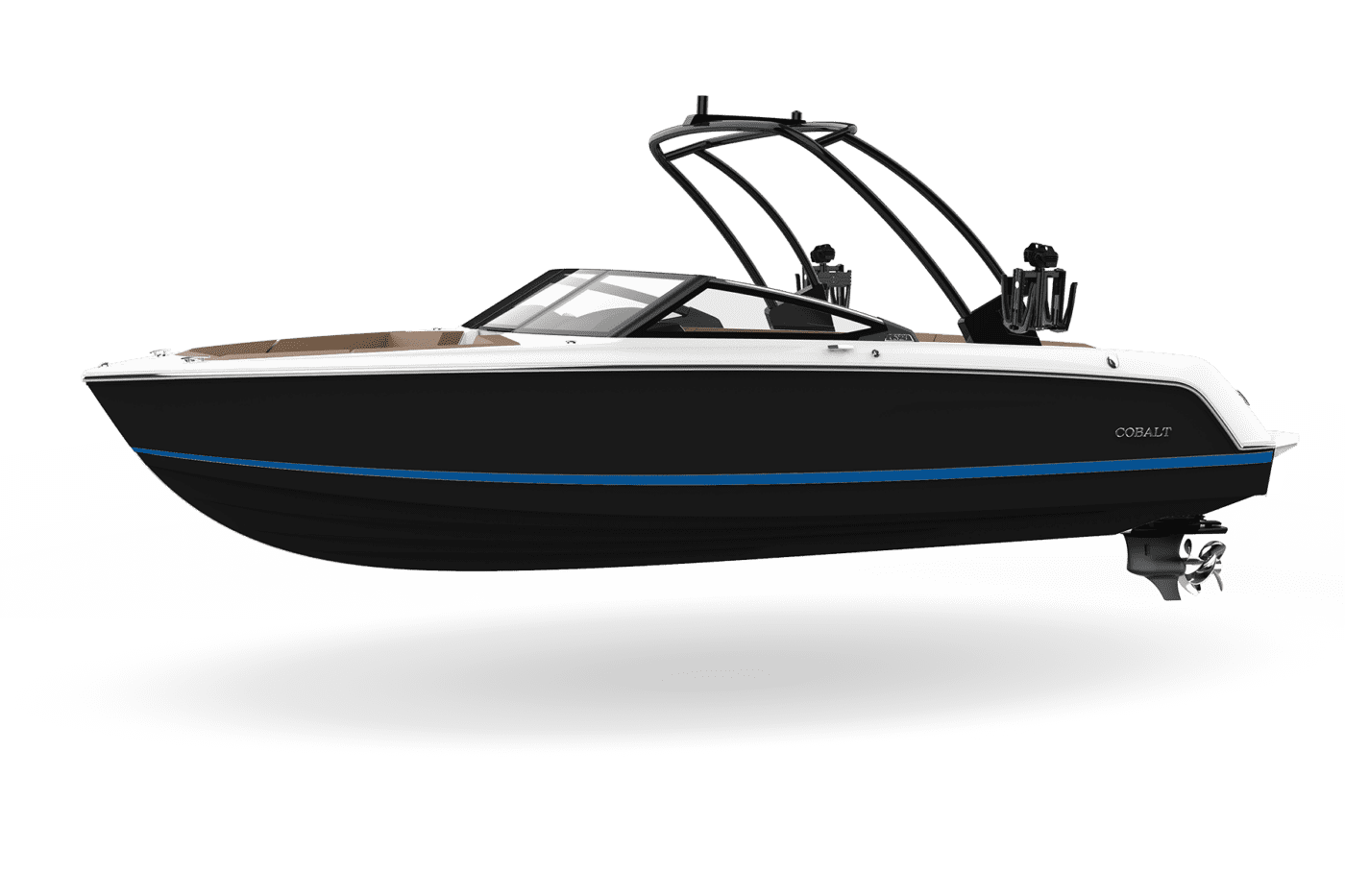
Inboards use a similar engine setup to sterndrives, typically a V6 or V8 automotive-style engine mounted inside the hull.

However, instead of an outdrive unit, the engine connects directly to a shaft that runs through the hull and spins a fixed propeller underneath the boat. Steering is controlled by a rudder located behind the propeller.

Inboard engines typically range from 200 to 600 horsepower and are most commonly found in specialized watersports boats.

Advantages of Inboards

One of the biggest advantages of inboards is propeller protection.

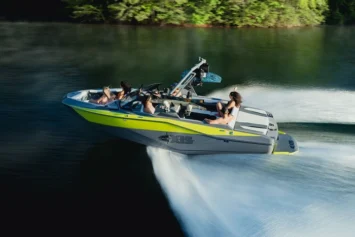
Because the propeller sits underneath the hull, it is far less likely for swimmers or riders to come into contact with it. This makes inboards especially popular for wakeboarding and wakesurfing.

Another benefit is wake quality. Since the thrust comes from deep under the boat, the wake tends to be cleaner and smoother, without the whitewater turbulence common with other drive types.

Inboards also provide excellent low-end torque, allowing the boat to jump onto plane quickly — even when carrying additional ballast or passengers.

Like sterndrives, inboards also allow for a clean, full-width swim platform at the back of the boat.

Disadvantages of Inboards

Inboards share some of the same drawbacks as sterndrives.

Because the engine sits inside the hull, some seating and storage space is sacrificed.

Another important limitation is water depth. Since the propeller and rudder are fixed beneath the boat, inboards generally require at least three feet of water depth to operate safely.

Docking can also be tricky for new owners. Because the rudder sits behind the propeller, steering only works effectively when moving forward. In reverse, the boat becomes much harder to control until you learn the technique.

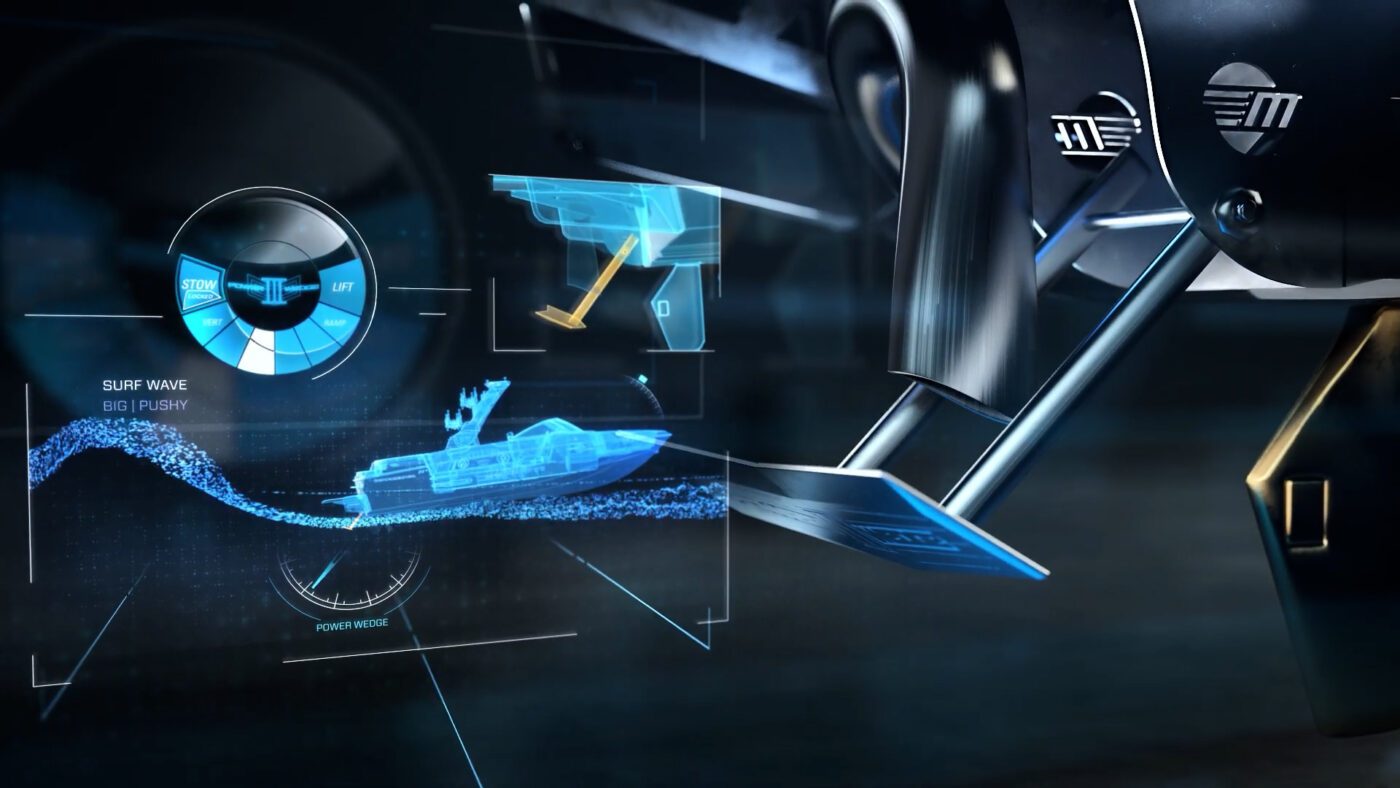
Maintenance costs are similar to sterndrives, and many inboard boats also include ballast systems and wake-shaping equipment, which require additional maintenance.


Jet Drive

Jet drives are another unique propulsion system.

Like sterndrives and inboards, the engine sits inside the hull. However, jet drives do not use a propeller.

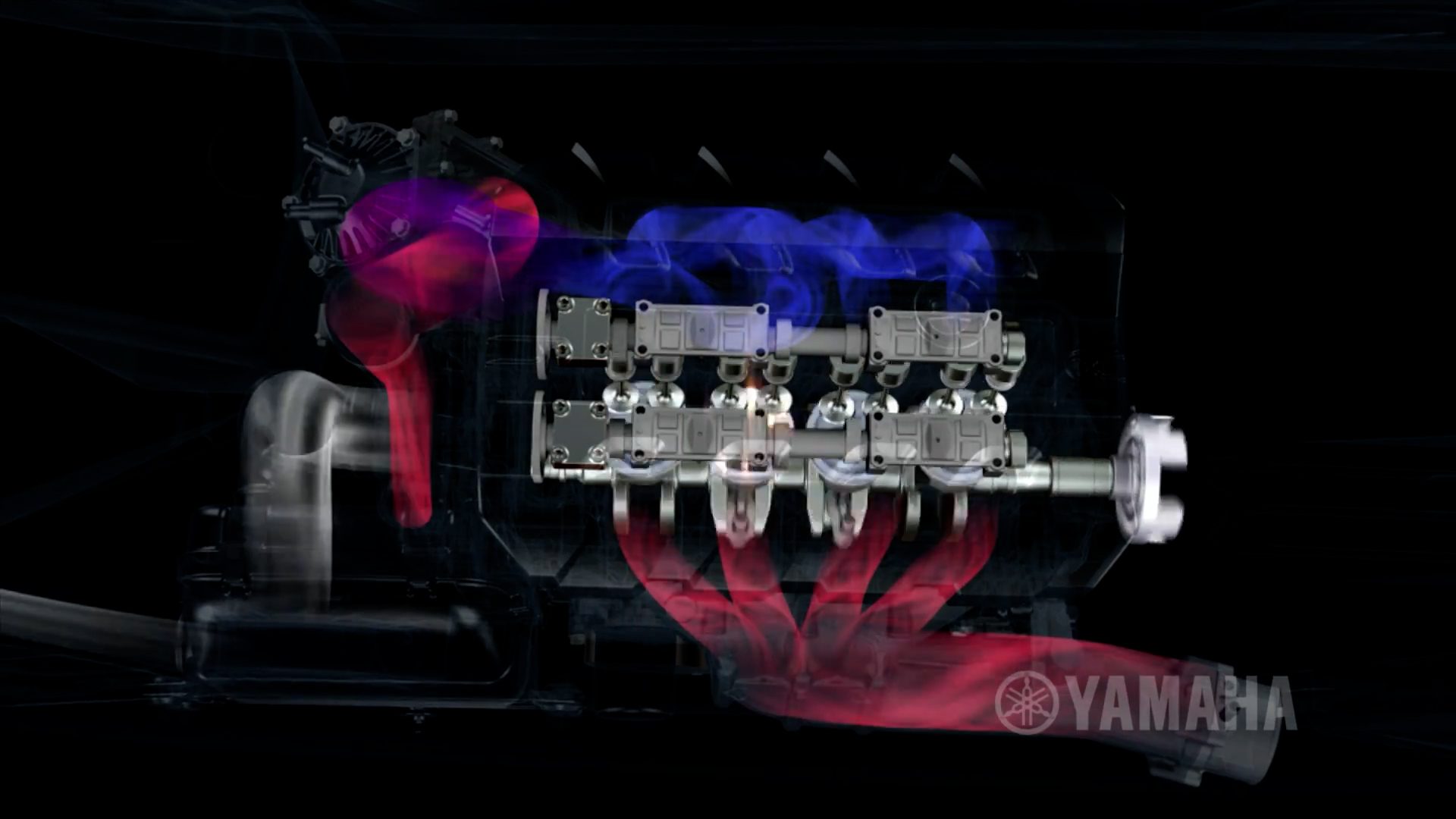
Instead, they work by drawing water through an intake underneath the boat and forcing it out through a high-pressure nozzle at the stern, creating thrust.

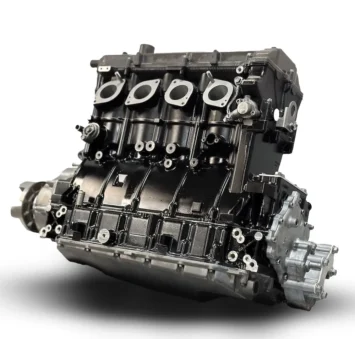
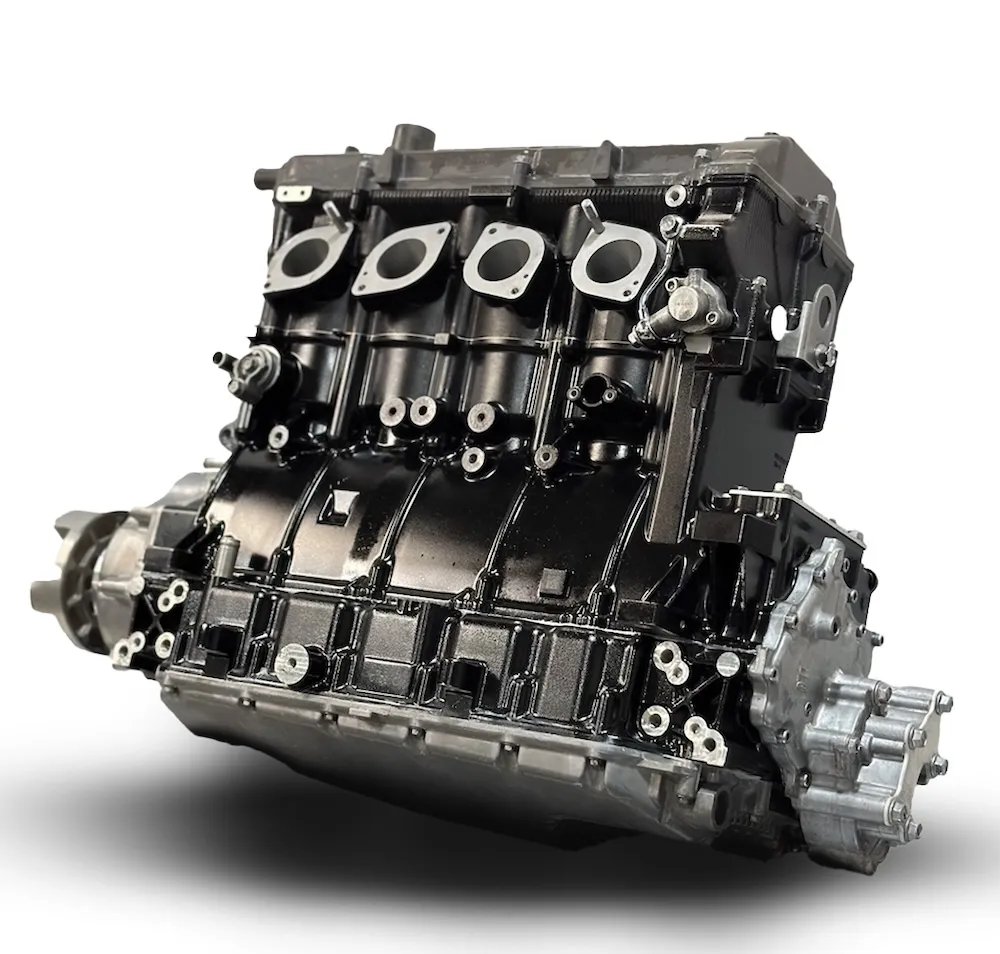
Jet boats typically use specialized or supercharged four-cylinder engines, producing around 180–220 horsepower per engine. Larger jet boats often use twin engine setups.

Jet drives are most commonly found on fiberglass sport boats, bowriders, and deck boats between 18 and 27 feet.

Advantages of Jet Drives

The biggest advantage of jet drives is shallow water capability.

Because there is no exposed propeller, jet boats can operate safely in areas where traditional propeller-driven boats may risk damage.

They also provide excellent safety around swimmers and watersports, similar to inboards.

Since there is minimal hardware below the hull, jet boats also tend to slide across the water surface, making them responsive in heavy currents.

Like sterndrives and inboards, jet boats also feature a clean and spacious swim platform.

Disadvantages of Jet Drives

Jet drives also come with several drawbacks.

One of the biggest challenges is slow-speed maneuverability. Jet boats do not have a true neutral gear, meaning that even at idle the engine may produce slight thrust. This can make docking and close-quarters maneuvering unpredictable.

Another limitation is watersports performance. While jet boats can be used for activities like wakesurfing or tubing, the wake they produce is often very turbulent and full of whitewater, which reduces ride quality.

Jet drives also typically produce less torque than inboards, meaning the surf wave may be smaller and less powerful for larger riders.

Maintenance costs can also be higher due to the specialized engines and superchargers, and jet boats are typically the loudest propulsion type, which can make cruising less relaxing.
final thoughts

Each boat drive system has its own strengths and ideal use cases.

  • Outboards offer simplicity, space efficiency, and easy maintenance.

  • Sterndrives provide strong handling and a comfortable swim platform layout.

  • Inboards excel at watersports with powerful torque and clean wakes.

  • Jet drives are great for shallow water and propeller-free safety.

The best choice ultimately depends on how you plan to use your boat, where you’ll be boating, and what features matter most to you.

Check out our Inventory!

Explore our extensive inventory of new and used boats at Town & Country Marine! We offer a wide selection of top-quality boats to suit all your boating needs. Whether you’re interested in fishing boats, pontoon boats, wakeboats, or luxury bowriders, we have something for everyone. Check out our inventory today and discover a new way to enjoy your summer.

Secret Link

Search Boat Inventory

Closed Due to Weather

Please note, we will be closed Monday March 31 due to a power outage resulting from ice storms over the weekend. We will update when we are back to regular operations as soon as possible.